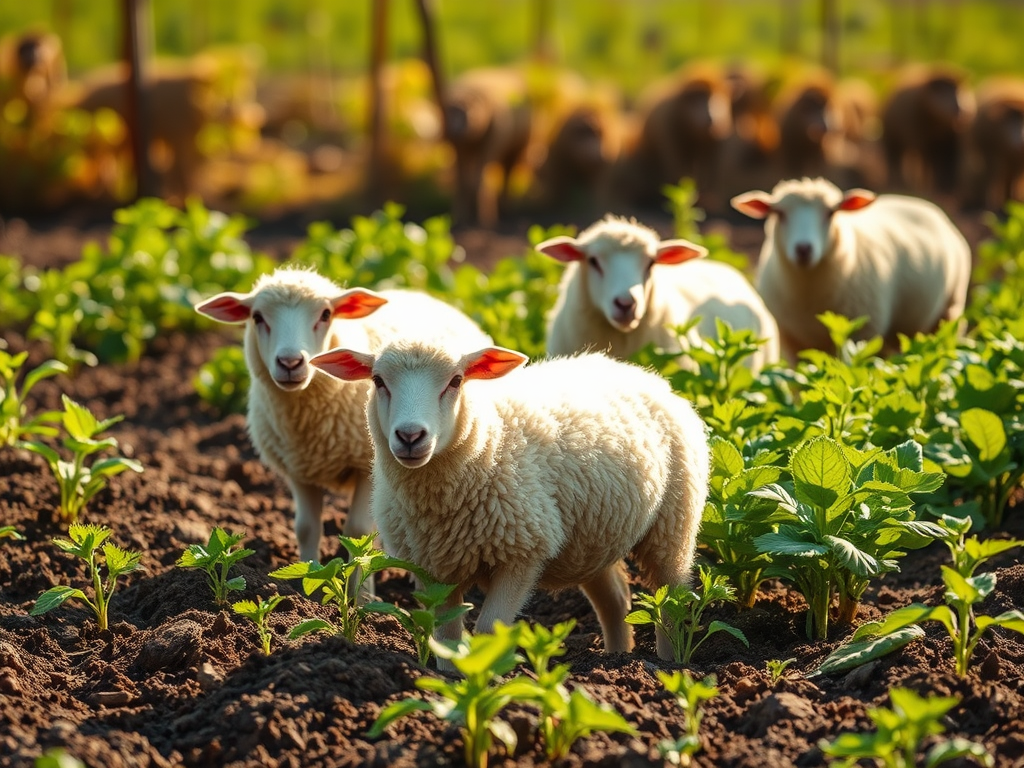
In the pursuit of sustainable practices, companies are finding ways to rethink waste materials and turn them into valuable products. After my recent article about companies using surplus bread to replace a part of the malt needed for beer brewing, today I would like to write about another sustainable practice – repurposing waste sheep wool. This overlooked material can be transformed into products that not only help reduce environmental impact but can also provide value for agriculture, gardening, and even packaging solutions.
From Waste to Sustainable Innovation
 Sheep wool, once a valued and widely used resource, is now often treated as waste. In Europe alone, over 200,000 tons of wool go unused every year, with up to 50% discarded in key sheep-farming regions. Due to shifts in the industry and declining demand, farmers often have no choice but to burn or dump it, contributing to environmental pollution.
But what if sheep wool could be repurposed? Across the world, companies are finding new ways to turn waste wool into valuable products—from organic fertilizers to eco-friendly packaging. This article highlights three inspiring examples of how wool is making a comeback as a sustainable resource.
A Circular Solution in Croatia: Converting Raw Sheep Wool into Organic Fertilizer
In the Lika region of Croatia, the company Fema d.o.o. has taken a bold step toward sustainability with the EKO LIKA GREENNovation project. Launched in 2020, the initiative addresses the disposal of raw sheep’s wool by transforming it into organic fertilizer and natural repellent.
Each year, 200-300 tons of wool are discarded in the Lika region national and nature parks, contributing to environmental pollution. Farmers face challenges in disposing of the bulky material, often resorting to burning it or abandoning it in pastures and dry-stone walls, creating a significant environmental issue.
The company’s product, Woolee, is a nitrogen-rich organic fertilizer that not only nourishes plants but also improves soil quality (in contrast to many chemical fertilizers, which often degrade soil over time). Wool’s natural ability to retain water makes it particularly valuable for agriculture in drought-prone areas, helping to sustain plant growth with minimal irrigation. As demand for healthy, organic food and sustainable farming practices continues to grow, this represents an eco-friendly alternative that aligns with modern agricultural needs.
The Process in Practice
The process involves sourcing raw wool from local sheep farmers, sterilizing it using a patented green method, and transforming it into both wool pellets for use as fertilizer and flakes for pest (snails, ants etc.) control. This innovative solution helps reduce waste, improve soil quality, conserve water, and support sustainable farming practices.
The Wild Valley Farms Approach in Utah, U.S.
Across the ocean, Wild Valley Farms in Utah, U.S., has also transformed waste wool into a valuable resource for gardeners and farmers in drought-prone areas. This family-owned farm, run by Albert Wilde and his family, has a history dating back over 150 years. Originally a small operation raising chickens and a few livestock, the farm has grown to support over 2,600 sheep and 200 cattle. While wool was once primarily valued for textiles, the Wildes saw an opportunity to repurpose low-quality wool traditionally considered waste.
Inspired by wool’s natural water-retaining properties, they began experimenting with using wool to retain moisture in soil. These efforts led to the creation of wool pellets, an organic fertilizer made entirely from 100% raw wool. They not only enrich soil with nitrogen but, according to the claims by the producer, also hold several times their weight in water, reducing irrigation needs and helping plants thrive in arid climates. They are an eco-friendly alternative to synthetic fertilizers, aligning perfectly with sustainable agricultural practices.
The family’s innovation has gained attention in the gardening and farming communities, particularly in areas struggling with water scarcity. Wool pellets provide a simple, natural solution to conserve resources while improving soil health, demonstrating how a waste product can be repurposed into something beneficial for both agriculture and the environment.
Woola: Transforming Waste Wool into Sustainable Packaging in Estonia
In Estonia, the startup Woola has found an innovative way to address both the issue of waste wool and the environmental impact of plastic packaging. As highlighted at the beginning of the article, approximately 200,000 tons of wool go unused across Europe every year, often discarded or burned due to a lack of demand. At the same time, the e-commerce industry relies heavily on plastic-based packaging materials, such as bubble wrap, which can take over 500 years to decompose. Woola bridges these two issues by turning surplus sheep wool into protective packaging—a sustainable alternative to single-use plastic.
Woola’s packaging products, including wool envelopes, bottle sleeves, and cushioning materials, are designed to replace fossil-fuel-based bubble wrap. By utilizing wool’s natural shock-absorbing and insulating properties, these products help protect fragile goods while offering a compostable and reusable solution. The company sources waste wool from local sheep farmers, creating a win-win for both the environment and rural economies by providing farmers with a new revenue stream for otherwise discarded material.
By 2023, Woola had expanded its range of packaging solutions to cater to industries such as cosmetics, eyewear, jewelry, luxury goods, and electronics. Their mission is ambitious: to cut global fossil fuel-based bubble wrap usage by 50% by 2030. Their efforts have received international recognition, with Forbes, TechCrunch, and Core77 praising their approach to closing the loop on packaging waste.

Image source: www.woola.io
This example demonstrates that wool’s sustainability potential extends beyond agriculture, proving its value in tackling plastic pollution and promoting a more circular economy. With e-commerce continuing to grow, solutions like Woola’s offer an eco-friendly alternative that aligns with global sustainability goals.
Wool as a Sustainable Resource: A Growing Movement
These examples showcase a growing shift toward sustainability, highlighting wool’s potential beyond its traditional use in the textile industry. Whether it’s EKO LIKA GREENNovation in Croatia turning wool into fertilizer, Wild Valley Farms in the U.S. using wool for agriculture, or Woola in Estonia creating eco-friendly packaging—all these projects demonstrate the power of circular thinking. They inspire small businesses to see waste as untapped value and embrace innovation.
The future of wool—and sustainable resource use—depends on businesses and consumers supporting these forward-thinking efforts. By recognizing the value in what’s often discarded, we take another step toward a more sustainable, resilient world.
Inspiration for Small and Medium-Sized Enterprises
These examples also offer valuable lessons for other SMEs looking to integrate sustainable practices into their operations:
- Look for Waste Resources: Many materials or by-products in your business might have untapped potential. Assessing waste and considering its alternative uses can help reduce costs and environmental impact.
- Collaborate for Innovation: Whether it’s working with universities, other businesses, or even local communities, collaboration is key to developing new solutions.
- Market Sustainability: While challenging, effectively marketing your sustainable practices and the benefits they offer can attract like-minded customers and partners.
- Measure Impact: The more research and data available, the stronger the case for widespread adoption. Keep track of the tangible benefits your sustainable practices offer to both your business and the planet.
This article highlights just a few of the many ways small businesses are using innovation to solve big environmental challenges—and inspire others to follow suit.
And what about your business? Could you repurpose waste in your own operations? What overlooked resources in your industry could be transformed into valuable products? Let these inspiring examples spark ideas for how your business can contribute to a more sustainable future.
This post is not sponsored and serves exclusively to highlight an inspiring example of sustainability and circular economy in action.
 Steps to Sustainable Business
Leave a comment