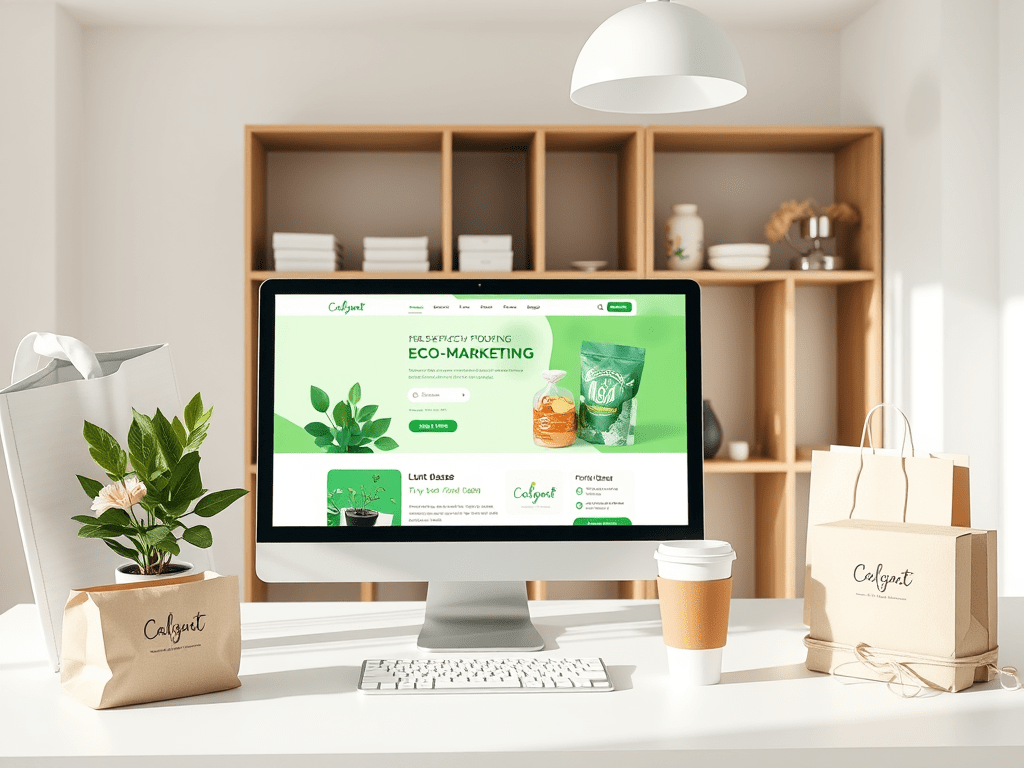
Before We Talk About Marketing: Why Sustainability Matters
Sustainability is not just a branding strategy; it’s becoming a business necessity. As environmental challenges grow, businesses of all sizes are expected to play a role in reducing waste, cutting emissions, and making responsible choices. While marketing and communication are important, what truly matters is the path toward sustainability itself – making real, meaningful changes that reduce environmental impact.
For SMEs, this journey can sometimes feel overwhelming. Limited budgets, resource constraints, and uncertainty about where to start often hold small businesses back. However, integrating sustainability into operations is not just about reducing harm: it can drive efficiency, cut costs, and create long-term business resilience.
📌 But here’s the challenge: Even if a business takes significant steps toward sustainability, customers will not recognize those efforts unless they are communicated effectively.
That’s where green marketing comes in. Today’s consumers actively seek out eco-conscious brands, and studies show that sustainability influences purchasing decisions more than ever before. Small businesses that communicate their sustainability efforts transparently and authentically can build deeper trust, attract new customers, and differentiate themselves in competitive markets.
In this article, we’ll explore practical green marketing strategies that help share sustainability efforts and drive business growth. But remember: marketing is just the tool. The real impact starts with the sustainability journey itself.
The Importance of Green Marketing for SMEs
📈 Research shows that:
✔ 73% of consumers would switch to a brand that offers more sustainable products.
✔ more than 50% of global consumers are willing to pay more for brands that commit to sustainability.
✔ Green brands build deeper trust and loyalty, leading to long-term business success.
🎥 Watch This: Want to understand why eco-conscious consumers matter? This video explains how sustainability influences purchasing decisions and why businesses should take notice.
However, green marketing isn’t about making false claims or jumping on trends. It’s about communicating real efforts in a way that resonates with your audience. Let’s explore proven strategies SMEs can use to attract eco-conscious customers without greenwashing or excessive costs.
1️. Start with Authenticity: Avoid Greenwashing
✔️ Be Transparent and Avoid Vague Language – Instead of claiming that your product/service is “green” or “eco-friendly”, clearly communicate what makes it more sustainable than others (e.g., carbon-neutral production, use of recycled materials, ethical sourcing).
✔️ Back Up Claims with Proof – Use certifications, third-party verifications, or show your actual impact (e.g., “We reduced plastic waste by 40% this year.“).
✔️ Educate, Don’t Exaggerate – Consumers appreciate honesty. Instead of saying “100% sustainable,” explain “Made with 80% recycled materials, reducing waste by 30%.”
 Example: A small coffee brand openly shares its supply chain and has a QR code on packaging linking to supply chain data and their sustainability journey. Customers can see where the beans were sourced and the impact of their purchase, building trust and loyalty.
 Tip: Rather than vague promises, use before-and-after impact statistics to show real progress.
2️. Leverage Green Branding & Storytelling
✔️ Create a Compelling Sustainability Narrative – Share why your business values sustainability (personal story, local impact, environmental mission).
✔️ Showcase Your Sustainability Journey – Behind-the-scenes content (videos, infographics) about your sustainable practices helps build customer trust.
✔️ Use Eco-Friendly Packaging & Messaging – Align visual branding with sustainability (e.g. minimal packaging, recyclable materials).
Example: A fashion brand uses a short video to tell the story behind its handmade production, highlighting ethical sourcing and water-saving techniques. By showing real artisans and processes, the brand builds trust and reinforces its commitment to sustainability.
Tip: Run a “Meet Our Sustainable Suppliers” campaign to introduce ethical sourcing and engage customers.
3️. Optimize Digital Marketing for Green Consumers
✔️ SEO for Sustainability – Target keywords like “zero-waste products,” or “compostable packaging for small businesses.”
✔️ Social Media Marketing – Share eco-tips, sustainability challenges, and interactive posts (e.g., “Which sustainable swap do you prefer?”).
✔️ Leverage User-Generated Content (UGC) – Encourage customers to share photos or reviews of your sustainable products/services.
Example: A skincare SME ran a #RefillChallenge campaign, offering discounts for customers returning used containers. This not only reduced waste but also generated authentic user-generated content, as customers proudly shared their participation on social media—boosting brand credibility and reach.
Tip: Use Instagram Reels, LinkedIn case studies, or short videos to show sustainability in action.
4️. Offer Green Incentives to Drive Sales
✔️ Eco-Friendly Loyalty Programs – Reward customers who choose low-impact shipping, buy in bulk, or return packaging.
✔️ Sustainable Product Bundles – Group complementary eco-products together at a discount, encouraging customers to buy multiple sustainable products at the same time.
✔️ Trade-In & Recycling Programs – Offer incentives for reusing, recycling, or returning used items.
Example: A footwear brand offers discounts on new sneakers when customers return old pairs for recycling.
Tip: Use gamification (e.g., rewarding repeat customers for eco-conscious purchases) to build brand loyalty.
5️. Collaborate for Greater Impact
✔️ Partner with NGOs or Sustainable Brands – Co-branded campaigns show strong sustainability credibility.
✔️ Join Green Business Directories – Explore the possibilities of getting listed in eco-conscious shopping platforms for visibility.
✔️ Engage Local Communities – Sponsor local green events or host workshops on sustainability.
Example: A beauty brand collaborates with an ocean cleanup NGO, donating a percentage from each sale to plastic removal efforts.
Tip: Feature a “Sustainability Partner of the Month” to highlight collaborations and social impact.
Conclusion
Green marketing is about authenticity, engagement, and storytelling—not just selling a “green” product. Businesses that communicate their sustainability efforts transparently and effectively can build trust, attract loyal customers, and drive long-term growth.
How has your business marketed sustainability? What challenges or successes have you experienced? Share your experience in the comments!
 Steps to Sustainable Business
Leave a comment