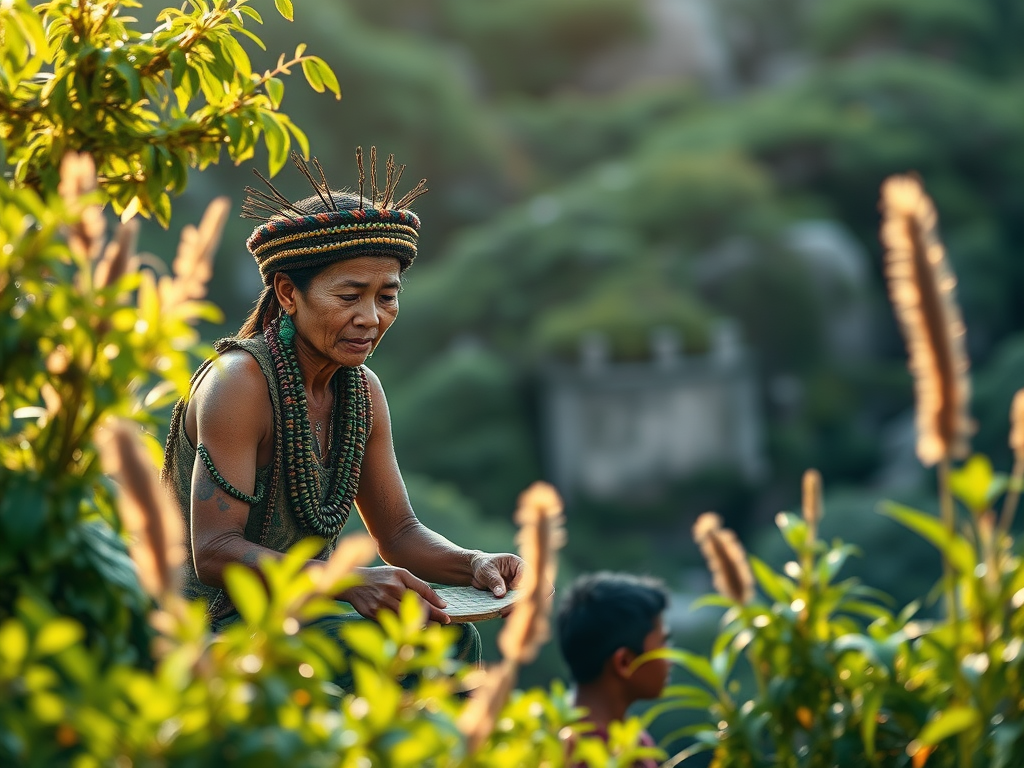
Sustainability isn’t a new concept: Indigenous communities around the world have practiced circular economy principles, regenerative agriculture, and responsible resource use for centuries. Long before “green business” became a trend, these cultures developed deep, place-based knowledge about how to sustain ecosystems while supporting their communities.
And while no society is perfect, there is immense value in learning from these time-tested practices for businesses trying to navigate the shift toward sustainability. Adopting indigenous-inspired sustainability principles can help small businesses reduce waste, build stronger local supply chains, and create long-term environmental and economic resilience.
Let’s explore five key lessons that SMEs can integrate into their sustainability strategies, along with practical examples to bring these ideas to life.
1. The Principle of “Taking Only What You Need”
 What It Means: Many Indigenous cultures follow a philosophy that resources should only be used in amounts that allow for natural regeneration. This ensures that materials, energy, and food sources remain available for future generations.
SME Application:
- Avoid overproduction – Instead of mass-producing goods, businesses can focus on smaller-batch, demand-driven models to reduce excess inventory and material waste.
- Right-size energy use – Many businesses consume too much energy due to inefficient equipment or unnecessary operations. Smart energy monitoring can cut costs and emissions by ensuring energy is only used when needed.
- Responsible material sourcing – Instead of opting for the cheapest bulk materials, SMEs can choose suppliers who harvest responsibly to prevent overextraction of resources.
 Example: A small ethical clothing brand shifted from large inventory runs to a pre-order model, ensuring they only produce what customers buy; reducing textile waste while maintaining profitability.
🟢 Key takeaway: Overconsumption leads to waste and inefficiencies. SMEs that optimize resource use can lower costs while reducing their environmental footprint.
2. Circular Economy: Nothing Goes to Waste
What It Means: Indigenous communities have historically operated within closed-loop systems where waste is minimized or repurposed. Instead of discarding materials, they find ways to reuse, upcycle, or return them to nature in a regenerative way.
SME Application:
- Repurposing waste – Look for ways to turn byproducts into new products or services.
- Product lifecycle design – Design products for repair, reuse, or recyclability instead of single-use.
- Composting organic waste – Food-related businesses can turn food scraps into compost instead of sending them to landfills.
Example: A brewery establishes partnership with a bakery to use their leftover (unsold) bread in the beer brewing process. Read more about this real-life example in my article Rethinking Waste: Turning Surplus Bread into Beer.
🟢 Key takeaway: SMEs can save money and reduce waste by adopting circular business models, ensuring that materials stay in use longer rather than heading to landfills.
3. Local & Seasonal Sourcing Over Globalized Mass Production
What It Means: Many Indigenous economies rely on seasonal, regionally available resources instead of importing materials from far away. This reduces environmental impact while strengthening local economies.
SME Application:
- Prioritize local suppliers – Work with regional farms, manufacturers, and service providers to minimize transportation emissions and support local communities.
- Use seasonal materials – For food businesses, this means offering menus that change based on local harvest cycles. For manufacturers, it means sourcing regionally available materials instead of importing.
Example: A handmade soap company stops importing exotic oils and instead switches to regionally sourced plant-based ingredients, reducing both costs and carbon emissions.
🟢 Key takeaway: By sourcing locally, SMEs can often cut costs, lower emissions, and build resilience against supply chain disruptions.
4. Regenerative Agriculture & Responsible Land Use
What It Means: Indigenous farming practices prioritize land stewardship over short-term profits. Techniques like agroforestry, intercropping, and permaculture ensure that soil remains healthy and productive for generations instead of being depleted.
SME Application:
- Partner with regenerative farms – SMEs that rely on agricultural products (restaurants, textiles, food brands) can work with regenerative farms that build soil health rather than deplete it.
- Incorporate urban green spaces – Even businesses in cities can add green roofs, pollinator gardens, or composting programs to contribute to local ecosystems.
Example: A coffee roastery chooses to source beans from regenerative farms that use shade-grown coffee methods which help preserve biodiversity and soil health.
🟢 Key takeaway: Regenerative land use ensures that businesses don’t just take from the environment – they help restore it.
Regenerative agriculture explained simply. Source: Jimi Eisenstein, https://www.youtube.com/watch?v=fSEtiixgRJI
5. Community-Driven Business Models Over Profit-First Thinking
What It Means: Many Indigenous economies prioritize community well-being over short-term profits. This means fair wages, cooperative business models, and reinvestment in local economies.
SME Application:
- Profit-sharing & cooperative ownership – Consider employee-owned business models or profit-sharing programs to distribute success equitably.
- Support artisan & fair-trade supply chains – SMEs can source products from cooperatives that ensure fair wages and ethical labor.
- Reinvest in local communities – Instead of outsourcing to the lowest bidder, SMEs can support local workers and projects.
Example: A graphic design agency offers pro bono services to local sustainability nonprofits, reinvesting time and expertise into the community.
🟢 Key takeaway: When businesses prioritize fair trade and ethical supply chains, they build lasting relationships and create positive social impact.
Conclusion: What Can SMEs Learn from Indigenous Wisdom?
✔️Sustainability is about balance – SMEs should aim to take only what they need and reduce excess consumption.
✔️Circular models save money – Waste isn’t waste until you waste it. Find new uses for byproducts and materials.
✔️Local economies build resilience – Shorter, localized supply chains reduce emissions and supply risks.
✔️Regenerative business practices matter – Instead of just “doing less harm,” SMEs can actively contribute to restoring the environment.
✔️Community-first businesses thrive – Ethical, cooperative business models create long-term sustainability.
What Indigenous sustainability principles do you think businesses should embrace first? Can you see your business’s practices in the list? I’ll be happy to hear about your experience in the comments!
 Steps to Sustainable Business
Leave a comment